
作者:王乃立、沈韻庭、翟允翎、蕭曉杰
(國立臺灣師範大學藝術史研究所碩士班)
編修:蔡家丘
(國立臺灣師範大學藝術史研究所副教授兼所長)
前言
對「人工智慧」(Artificial Intelligence,簡稱AI)的探討已是現今全球趨勢之一,在短時間內其推廣度與使用度觸及社會各種年齡、階層與領域,如同對世界投下了一枚震撼彈。其中,ChatGPT的誕生對日常生活帶來了不分領域的巨大影響。因此,本文便嘗試在藝術策展時運用ChatGPT,透過分析此一工具所帶來的成效,幫助我們加深對AI的認知,檢視AI與人類之間的不同與價值。
本文將以撰寫「秘徑——張萬傳特展」企劃書作為探討基礎,進行反思和檢討。將ChatGPT作為檢查企劃書內容的工具,透過給予指令得到反饋,並對問題作進一步的討論解決。本次策展行政組將企劃書內容化為兩組問題對AI進行提問來檢驗其能力:一、展覽理念與策劃內容。二、展覽預算。在此兩個部份的討論中,我們將會看到AI針對兩種不同性質的問題做出的不同回答。其一為處理思想層面,AI對展覽理念與策劃內容的討論與梳理,如同有著自由意志產生較為人文面的概念。其二為處理實務層面,在展覽預算的檢核當中更偏向數字分析與資源分配,呈現與前者不同面向的討論。本文接下來會先提供企劃書本身的資料,並請ChatGPT進行分析與提供意見;文末將重新審視AI提供的資料與意見,比較討論兩者之間的差異。
一、展覽理念探討
在規劃展覽初期時,本課程同學陸續提出許多想法與大方向。從參訪張萬傳工作室、了解藝術家本人不同風格與特色的作品、與藝術家親屬對談開始,同學們便針對欲展覽之畫作主題進行多次討論。

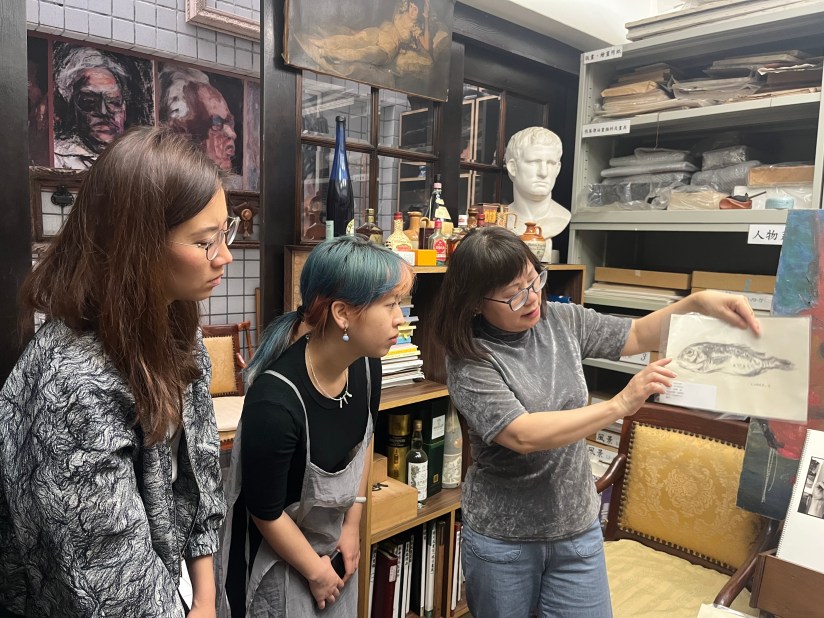

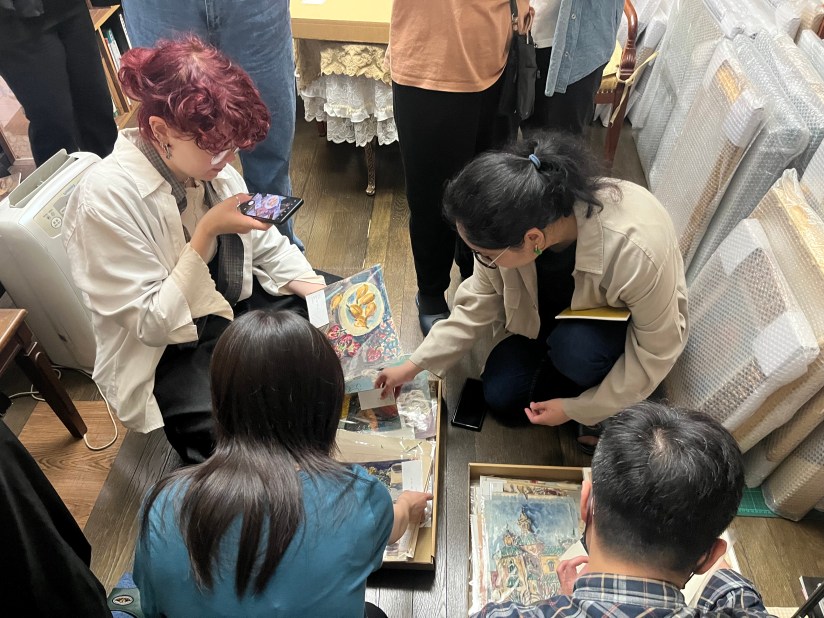
接著在後續回到教室後的數週,同學在展覽規劃、主概念等面向亦各自提供不同點子,但大多較為零碎且難以整理化約成清晰的脈絡。大致整理同學們的思路,初步草擬展覽概念如下:
透過本次展覽,我們希望展示岀從未亮相的手稿,當中的畫作集結了張萬傳不同時期的作品。張萬傳廣泛地涉及到各種的繪畫主題,例如:肖像、靜物、祼女習作等不同面向;而風景畫更是佔據了藝術家創作生涯中不可或缺的一部分。因此,在眾多具有強烈特色下的不同主題的畫作下,本次展覽以風景畫作為展示主題,旨在呈現張萬傳旅外與出遊中的寫生畫作,而寫生畫作中更是乘載着藝術家的所見所聞。通過本次所展出的這些風景畫,期望觀眾能感受張萬傳筆下的粗獷與狂野,同時帶有一點對世界的平靜與和諧與當中表現岀對於自然的生動與豐富的鮮豔生命感。與此同時,張萬傳筆下的各種觀景中,包括了海景、樹景、河景、市景,以及山景,意味着藝術家遊走在世界上不同的山水與城鎮。正如本次展覽的題目,以「秘徑」命名,試圖暗示並透過展場去構成一趟以主題、色彩、筆觸與材料之間互相交錯的視覺路徑,從中窺視藝術家的世界觀。


接著把上述段落傳達給ChatGPT後,它給岀針對展覽內容實作的建議和想法,包括設計與佈局、展品選擇、教育和宣傳推廣等項目。ChatGPT在這部分所提供的建議只針對了展覽實務以及後續規劃的事項,並沒有針對理念的本身進行修改,只有指岀這個展覽主題聽起來非常引人注目!於是筆者將問題修改,請ChatGPT針對理念本身而非實務層面進行檢視與歸納後,它提供了以下回覆:
這次展覽的理念本身非常引人入勝,讓我們更深入地探討一下:
(一)藝術家的視角:張萬傳的畫作不僅僅是對風景的描繪,更是他對世界的獨特視角和情感表達。通過展示他的寫生作品,觀眾能夠感受到藝術家在不同環境下的觀察力和感受力,以及他對大自然之美的讚嘆和感慨。
(二)隱藏的奧秘:展覽題目「秘徑」暗示着觀眾將會走一趟探索藝術家世界觀的旅程。每一幅畫作都像是一條秘密的小徑,引領觀眾進入張萬傳的思想世界和創作過程。這種神秘感和探索的樂趣將會吸引觀眾深入探索展覽。
(三)對自然的讚美:張萬傳的畫作中蘊含着對自然的讚美和敬畏之情。他的筆下不僅有山川河流,還有樹木花草,以及城市的喧囂和寧靜。通過展覽,觀眾可以感受到這種對自然的生動描繪和豐富鮮明的生命感,進而激發他們對自然之美的欣賞和保護之情。
(四)跨越時空的對話:張萬傳的畫作跨越了時空和文化的界限,展示了他對世界各地不同風景的觀察和感受。這種跨文化對話和交流將會啟發觀眾對世界的多元性和豐富性的思考,促進跨文化的理解和交流。
透過問題引導,ChatGPT在這個階段亦成功地進入討論理念的層次,雖然說在文字解讀與敘述方面存在著超譯現象,但還可以透過進一步的指令進行修改。我們接下來請ChatGPT結合上述四點與原先提供的理念內容,再次修改並重組成通順的文章,而它提供的回覆如下:
在策劃這次展覽時,我們思考了許多不同的概念,匯聚張萬傳不同時期的作品,包括肖像、靜物、祼女等多樣的主題。透過這場展覽,我們希望展現從未曝光的手稿;當中,風景畫一直是藝術家不可或缺的部分。因此,我們選擇以風景畫為主題,特意展示張萬傳在旅途中的寫生作品,這些作品蘊含着他對世界的獨特觀點和情感。我們期望觀眾透過張萬傳的粗獷筆觸感受世界的平靜與和諧,並感知自然生動與豐富的生命力。展覽中呈現的海景、樹景、河景、市景和山景,象徵着藝術家在世界各地的遊歷,就像一條隱秘的小徑,引導觀眾進入一場以主題、色彩、筆觸和材料相互交織的視覺旅程,窺見藝術家的世界觀。展覽主題「秘徑」隱喻着這段探索之旅,我們期待觀眾跨越時空與藝術家對話,深入探索張萬傳獨特的藝術世界。
對比可見,此修改版本與第一次提供給ChatGPT的文字相當接近。被修改的主要是用辭,文字組織依舊保留原有的架構。可以得出ChatGPT在文字修改上的能力較為突出,能夠將原的句子表達得更加清晰易懂。相反地,ChatGPT在理念的闡述上則存在一些盲點,例如在四項回覆的階段中,ChatGPT指出作品能夠引領觀眾進入張萬傳的思想世界和創作過程,同時藝術家對於自然的描繪能激發觀眾對自然之美的欣賞和保護之情,這些部分並非來自筆者提供的文字,屬於AI的過度解讀。雖說皆為合理的推論,但這樣是否真的是藝術家本身的創作意圖,觀眾又能否獲得這些觀察,顯然是ChatGPT衍生出來的想法,並非我們原本想強調的重點。
最後,我們再次請ChatGPT更深度地剖析理念核心、強調中心思想,並讓文字變得更加直接有力。但是同樣地,其回覆亦容易岀現過度解釋的情況。因此我們認為AI在策畫展覽理念時能協助整理想法並改寫文字,讓內容更加完整聚焦,但也需要適度地引導,才能有效提供一定程度的幫助。
二、展覽預算分配
撰寫展覽企劃書時,我們先列出展覽相關事項的預算(圖表1),接著詢問AI該表格中的項目和金額是否合理。

ChatGPT的回覆認為都很合理,並沒有提供更多意見,僅在最後指岀:
預算的具體數字會根據所在地區、場地規模、藝術家的知名度等因素而有所不同。如果能提供更多的細節,例如展覽的地點、預期的參觀人數、是否有贊助商等,我可以提供更具體的估算。
因此,我們把問題改為直接命令ChatGPT提供更具體的預算項目和金額,於是它便提供了(圖表2)的規劃。基本上可以發現除了場地和保險這兩個項目外,其他項目並沒有太大的修改,是基於原資料進行再次說明的動作。

面對策展現實狀況的變化多端,可以看到ChatGPT實際上難以說明和提供乎合我們的需求與確切的數字。有趣的是,儘管如此它仍然嘗試舉例說明展覽應有的事項如:場地租金、裝潢和裝置、作品製作、宣傳和廣告、保險、活動管理、開幕活動、交通和住宿。我們認為可以將這部分視為一個檢查表(Checking List),幫助我們在剛開始練習策展時,確認考慮列舉預算的事項與範圍。在這部分的討論中,AI的回應可以說並沒有達到行政組的預期,無法提供細節層面的分析,但至少能幫助我們在撰寫企劃書與規畫預算時,檢視所列項目之詳盡與合理性。
三、小結
本文試圖探討人工智慧作為科技輔助,在撰寫展覽企劃書時所能提供的應用與幫助,並針對其回饋進行淺析。我們請ChatGPT協助整理與修改展覽理念,得到進一步清晰化和修辭上的改進。本展覽的理念在展示藝術家張萬傳在旅途中繪製的風景畫,透過展覽空間與作品的主題、色彩、筆觸與材料等元素,展現他對自然景觀的獨特觀點和情感,希望引領觀眾感受藝術家粗獷筆觸中蘊含的平靜與和諧。不過AI在說明藝術家的理念時,岀現了過度敘述的情況。因此,在這部分可以理解為好壞參半。
其次,本文探討展覽預算分配的問題。在這方面,雖然AI無法提供確切的數字,但它提供了一份包含各個可能項目的預算規劃表格,並提供了一些建議,例如場地租金、裝潢和裝置、作品製作、宣傳和廣告等,有助於行政組思考展覽的各方面開支。總的來說,人工智慧在這兩個方面都發揮了一定程度的作用,提供了合理的建議和思路,使展覽理念更加清晰,以及預算分配更加周密。儘管在確定性方面存在一些限制,但仍輔助了展覽企劃書的撰寫。不過最重要的是,我們仍然需要清楚掌握基礎概念、方向與範圍,方能獲得具建設性的回應、實際的修改方向、以及邏輯正確的敘述。至於與AI一同策展到最後的成果如何呢?歡迎大家來看看!

「秘徑——張萬傳特展」
日期:2024年6月6日至7月7日(週三至週日、13:00-17:00)
地點:瑪德蓮藝廊(臺北市大安區永康街63號)
本文為「與A.I.一同策展?」系列文章之三,來自臺師大藝史所EMI課程〝Modern Taiwanese and East-asian Art History〞策展紀錄,由師生共同完成,敬請同時參照前兩篇發表於部落格「漫遊藝術史」的文章:
Joanne Acompanado, Johanna Dreike, 蔡宜蓁、籃玉璇、吳佳芮,〈與A.I.一同策展?以臺師大藝史所「秘徑——張萬傳特展」為例之一:主視覺設計〉,蔡家丘編修,漫遊藝術史,2024. 5. 31
李紹勤、Nevilla Isaac、Merve Safak,〈與A.I.一同策展?以臺師大藝史所「秘徑——張萬傳特展」為例之二:圖文互義與生成〉,蔡家丘編修,漫遊藝術史,2024. 6. 04
What would it be like to curate an exhibition with A.I.? To write the proposal
Author: Nai-Li Wang, Yun-Ting Shen, Yun-Ling Chai, Yioki Shiu
Editor: Chia-Chiu Tsai
Introduction
This paper explores the role of artificial intelligence (AI) in the context of art exhibition planning, using the “Unveiled Paths: A Journey Through Landscapes—Special Exhibition of Chang Wan-Chuan” as a case study. As AI has become a global trend impacting people of all ages and professions, this paper aims to discuss how it can be used in art field and particularly, in exhibition proposal writing. AI tool such as ChatGPT is used to analyze and provide insights into the content of Chang Wan-Chuan exhibition’s proposal. The paper is divided into two parts: first about the exhibition concept and content organizing, second about the issue of budget. The two parts each delve into different aspects of concerns. One focus on notion and idea, the other focus on data and practical execution. Through analyzing ChatGPT’s response and the whole process, we aim to enhance our understanding of AI’s capabilities and its potential contributions to the art field.
Exploring the Exhibition Concept
Firstly, when planning an exhibition, numerous ideas come to mind and is difficult to organize a clear notion of it. Starting from visiting Chang Wan-Chuan’s studio, understanding the artist’s different styles and characteristic works, and engaging in discussions with the artist’s relatives, students began discussing the themes of the artworks for the exhibition. In the following weeks back in the classroom, students provided various ideas regarding exhibition planning and main concepts, but most of them were fragmented and difficult to organize into a coherent context. After roughly organizing everything, Wewe came up with an overall concept and put them into words in the following:
“Through this exhibition, we aim to showcase previously unseen manuscripts and artworks, gathering works from different periods. Chang Wan-Chuan’s paintings cover various themes, such as portraits, still lifes, and landscapes. Landscape painting plays a significant role in his artistic journey. Thus, among the diverse collections, this exhibition focuses on landscape paintings. We intend to display Chang Wan-Chuan’s plein-air sketches from his travels, capturing his observations and experiences. These sketches portray a rugged yet serene view of the world, vividly depicting the vibrant life in nature. Additionally, Chang Wan-Chuan’s scenic views, including seascapes, trees, and urban scenes, signify his exploration of different landscapes. The exhibition, Unveiled Paths: A Journey Through Landscape, aims to create a visual journey intertwining themes, colors, and brushstrokes, offering viewers a glimpse into Chang’s perspective.”
Secondly, after conveying the aforementioned conceptual ideas to ChatGPT, artificial intelligence (AI) also provided suggestions and thoughts on the implementation of the exhibition content. These include exhibition design and layout, selection of exhibits, and promotion and marketing. The feedback from ChatGPT focused solely on practical aspects within the exhibition venue and subsequent planning, without modifying any explanations regarding the concepts themselves. It merely pointed out that “the exhibition theme sounds very eye-catching!” Therefore, we revised the question, asking ChatGPT to review and improve the content based on the concept itself rather than practical aspects. Here is its response:
“The concept of this exhibition is fascinating, so let’s delve deeper into it:
- Artist’s Perspective: Chang Wan-Chuan’s paintings are not just depictions of landscapes but also reflections of his unique perspective and emotional expression of the world. By showcasing his sketches, viewers can sense the artist’s observational and emotional prowess in different environments, as well as his admiration and awe for the beauty of nature.
- Hidden Mysteries: The exhibition title “Secret Path" implies that viewers will embark on a journey to explore the artist’s worldview. Each painting is like a secret path, guiding viewers into Chang Wan-Chuan’s thoughts and creative process. This sense of mystery and the joy of exploration will engage viewers to delve deeper into the exhibition.
- Praise for Nature: Chang Wan-Chuan’s paintings are imbued with admiration and reverence for nature. His works depict not only landscapes but also trees, flowers, as well as the hustle and bustle and serenity of the city. Through the exhibition, viewers can experience vivid depictions of nature and a rich sense of vitality, inspiring them to appreciate and protect the beauty of nature.
- Dialogue Across Time and Space: Chang Wan-Chuan’s paintings transcend the boundaries of time, space, and culture, showcasing his observations and experiences of different landscapes around the world. This cross-cultural dialogue and exchange will inspire viewers to contemplate the diversity and richness of the world, promoting cross-cultural understanding and communication.”
With guides from our question, ChatGPT entered the discussion of conceptual aspects at this stage, although there is some overinterpretation in text interpretation and narration, which can be further modified through additional commands. The following is ChatGPT’s response after we asked it to rearrange the paragraph based on the above four points and incorporating the original concept:
“In planning this exhibition, we considered various concepts. Through this exhibition, we aim to showcase previously unseen manuscripts, bringing together Chang Wan-Chuan’s works from different periods, including portraits, still lifes, and nudes, among other diverse themes. However, landscape painting has always been an integral part of the artist’s repertoire. Therefore, we chose landscape painting as the main theme, specifically showcasing Chang Wan-Chuan’s plein-air sketches from his travels, which contain his unique perspective and emotions about the world. We hope that through Chang Wan-Chuan’s rough brushstrokes, viewers can feel the tranquility and harmony of the world and perceive the vivid and abundant vitality of nature. The seascapes, tree views, river views, urban scenes, and mountain views presented in the exhibition symbolize the artist’s travels worldwide, like a hidden path guiding viewers on a visual journey intertwined with themes, colors, brushstrokes, and materials, allowing them to glimpse into the artist’s worldview. The exhibition theme “Unveiled Paths” metaphorically represents this journey of exploration. We look forward to viewers engaging in a dialogue across time and space, delving deeper into Chang Wan-Chuan’s unique artistic world.”
By comparing, it’s obvious that this modified version is quite close to the original text provided to ChatGPT. The modified parts mainly involve rhetorical aspects, while the text organization still retains the original structure. From the discussion of the exhibition concept, it can be concluded that ChatGPT’s ability in textual modification is quite outstanding, making the originally expressed sentences clearer and easier to understand. On the other hand, ChatGPT’s discourse on the concept itself has some flaws. For example, while it points out that the artwork can lead viewers into Chang Wan-Chuan’s thoughts and creative process (as seen in ChatGPT’s four responses), this was not mentioned in the original text provided, indicating an overinterpretation by the AI itself. Additionally, while ChatGPT also mentions the artist’s depiction of nature can inspire viewers’ appreciation and protection of natural beauty, whether these are truly the artist’s intentions or whether such observations can be truly gleaned through the artwork requires further clarification. This part seems to be ChatGPT’s own interpretation resulting from divergent thinking about the text content and is not the focus of the article itself.
After having this response from ChatGPT, we attempted to ask it to delve more into the core of the concept and emphasize the uniqueness of our exhibition, making the text more direct and powerful. However, the AI has given excessive descriptions. Regarding the performance of AI tools mentioned above, the author believes that it can assist in organizing thoughts and making the overall content more cohesive, focusing on the core and rewriting paragraphs. Under proper guidance, it effectively provides a certain degree of help in the conceptual aspect.
Budget Allocation for the Exhibition
In the exhibition planning process, we have already completed the budget for exhibition-related matters in advance (table 1). Then, we handed over the items and amounts in that table to ChatGPT for processing and asked if all the items and amounts were reasonable. The response did not provide any further opinions but indicated only that the items and amounts we provided were all reasonable. In ChatGPT’s final explanation, it pointed out:
“The specific figures of the budget will vary depending on factors such as the location, venue size, and the fame of the artists. If more details can be provided, such as the exhibition location, expected number of visitors, and whether there are sponsors, I can provide a more precise estimate.”
Therefore, we directly changed the question to command ChatGPT to provide more detailed budget items and amounts. As a result, it provided the budget plan shown in table 2. However, one can notice that in the task of budget allocation, AI did not provide useful help; it did not make significant modifications to other items, and it seemed to be based on the data provided in the original plan, reiterating only the information.
Instead of providing precise directions or suggestions, AI offers a checklist of essential items for the exhibition budget, including venue rental, decoration, artwork production, promotion, etc. Although the response of ChatGPT did not practically meet our expectations, this checklist serves as a foundational tool for budgetary considerations.
Conclusion
In conclusion, the limitations exist still on the integration of artificial intelligence (AI) into art writing, in both conceptualizing the exhibition and allocating its budget. While AI has contributed to clarifying the exhibition’s concept and providing insightful suggestions for budget allocation, it also resulted in instances of excessive narrative in explaining the artist’s concepts and in not providing detail of possible budget items. Despite these mistakes, AI remains a valuable tool for providing usable suggestions and reasonable strategies, ensuring the smooth progress of the exhibition and its desired outcomes. However, it is still obvious that it is essential to first narrow down the scope, grasp fundamental concepts and directions before commanding the AI to obtain constructive responses, practical directions for modifications, and logically sound approaches.
As for the final outcome of curating with A.I., come and see for yourself!
“Unveiled Paths: A Journey Through Landscapes”
Chang Wan-Chuan Special Exhibition
Date: June 6th to July 7th, 2024 (Wednesday to Sunday, 13:00-17:00)
Location: Madeleine Gallery (No. 63, Yongkang Street, Da’an District, Taipei City)
 美術台灣 bisuttaiwan.art